




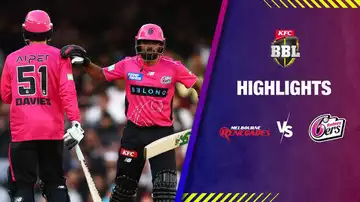
The 18th match of the Big Bash League brought together two teams with very different identities but a shared hunger for momentum: the Melbourne Renegades and the Sydney Sixers. Whenever these two sides meet, the contest carries more than just points on the table. It represents a battle between resilience and dominance, between a rebuilding unit and one of the most consistent franchises in BBL history.
Setting the Stage
The Melbourne Renegades entered the contest looking to stabilize their campaign. Known for their fighting spirit, the Renegades have often relied on collective performances rather than individual superstardom. Their season had been marked by flashes of brilliance mixed with periods of inconsistency, making this match a crucial opportunity to gain confidence and climb the standings.
The Sydney Sixers, on the other hand, came in with a reputation for calm efficiency. A team built around experience, discipline, and tactical awareness, the Sixers have long been a benchmark in the BBL. With a balanced squad featuring dependable batters, clever all-rounders, and a well-drilled bowling attack, they were once again considered strong contenders.
Renegades’ Batting: Promise and Pressure
Batting first or chasing, the Renegades’ top order carried significant responsibility. Their approach was built around providing a solid start without reckless aggression. Early overs were crucial, especially against the Sixers’ new-ball bowlers who are known for exploiting movement and applying pressure.
The Renegades’ middle order played a key role in determining the tempo of the innings. When they managed to rotate strike effectively and target specific bowlers, the batting unit looked composed. However, lapses in concentration and soft dismissals had previously cost them momentum, something they were keen to avoid in this match.
The finishing duties rested with power hitters capable of clearing the boundary in the death overs. Their challenge was to balance aggression with awareness, particularly against the Sixers’ disciplined death bowling.
Sixers’ Bowling: Control and Clarity
The Sydney Sixers’ bowling attack once again showcased why they are among the most respected in the league. Their strategy revolved around tight lines, smart field placements, and subtle variations rather than sheer pace.
In the powerplay, the Sixers focused on building pressure through dot balls. Even when wickets didn’t fall immediately, the controlled start often forced batters into risky shots later. The spinners and change bowlers in the middle overs played a vital role in slowing down the run rate, using the larger boundaries effectively.
At the death, the Sixers’ bowlers demonstrated remarkable composure. Yorkers, slower deliveries, and well-disguised variations made scoring difficult, highlighting the team’s strong preparation and clarity of roles.
Sixers’ Batting: Depth and Discipline
Chasing a target or setting one, the Sixers’ batting lineup reflected depth and flexibility. Their top order prioritized stability, ensuring a platform was laid before accelerating. Rather than relying on constant boundary-hitting, the Sixers focused on strike rotation and capitalizing on loose deliveries.
What set the Sixers apart was their adaptability. If early wickets fell, the middle order absorbed pressure calmly. If the start was strong, they were quick to shift gears. The presence of experienced campaigners allowed the team to read the match situation and adjust accordingly.
Their lower middle order added another layer of security, capable of finishing games while maintaining composure under pressure.
Renegades’ Bowling: Effort and Execution
The Renegades’ bowling attack approached the match with energy and intent. Their success depended heavily on early breakthroughs. When they managed to pick up wickets in the powerplay, the pressure shifted quickly onto the Sixers’ middle order.
The spinners aimed to control the middle overs, using variations in pace and trajectory to disrupt rhythm. Fielding support was crucial here, as saving singles and cutting off boundaries helped build pressure.
However, the Renegades’ biggest test came at the death. Bowling to a composed Sixers lineup required precise execution. Any missed length or predictable delivery was likely to be punished, making consistency essential.
Key Battles
Several individual matchups added intrigue to the contest. The battle between the Renegades’ new-ball bowlers and the Sixers’ top order set the tone early. In the middle overs, spinners from both sides tested batters’ patience and shot selection.
Another crucial contest unfolded in the final overs, where power hitters faced specialist death bowlers. These moments often proved decisive, swinging momentum sharply in one direction.
Tactical Awareness and Leadership
Leadership played a subtle but important role throughout the match. Field placements, bowling changes, and batting order adjustments reflected each captain’s reading of the game. The Sixers’ leadership leaned on experience and calm decision-making, while the Renegades emphasized adaptability and aggression when opportunities arose.
Conclusion
The Melbourne Renegades vs Sydney Sixers 18th match encapsulated the essence of Big Bash cricket: strategic depth, individual skill, and constant momentum shifts. For the Renegades, the game represented a test of character and growth, highlighting areas of promise as well as aspects needing refinement. For the Sixers, it reinforced their reputation as a well-oiled unit built for sustained success.
Regardless of the result, the contest delivered competitive cricket and showcased why clashes between these two teams remain a highlight of the BBL season. As the tournament progressed, both sides took valuable lessons from the encounter—lessons that could shape their journey in the matches to come.